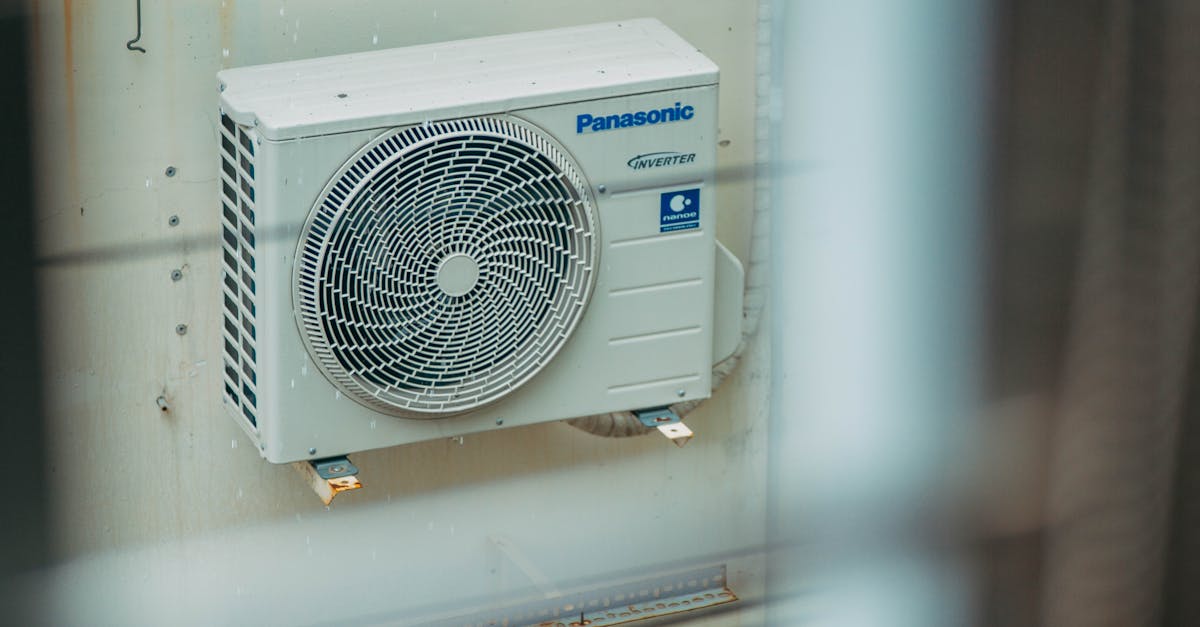
At National HVAC, we specialize in providing top-notch Commercial HVAC Services tailored to meet the unique needs of businesses across various industries. Our team of skilled technicians is dedicated to ensuring optimal indoor air quality and climate control for commercial spaces, from office buildings to retail establishments. We offer a comprehensive range of services, including installation, maintenance, and repair of heating, ventilation, and air conditioning systems. With our expertise and commitment to customer satisfaction, we help businesses create comfortable and productive environments while maximizing energy efficiency and minimizing downtime. Trust National HVAC to be your partner in maintaining a reliable and effective HVAC system for your commercial property.
The Role of Indoor Air Quality
Indoor air quality (IAQ) plays a crucial role in the overall comfort and health of a commercial space. Poor air quality can lead to numerous issues, from respiratory illnesses to diminished employee productivity. Inadequate ventilation, high levels of indoor pollutants, and temperature fluctuations all contribute to an uncomfortable environment that can affect occupants' well-being and performance. Regular maintenance and monitoring of HVAC systems are essential to ensure the air remains clean and healthy.
A well-maintained HVAC system not only improves indoor air quality but also enhances energy efficiency. When air filters are clean and the system operates effectively, there is less strain on the components, leading to lower energy consumption. This efficiency translates into cost savings on utility bills. Businesses should prioritize regular inspections and enhancements to their HVAC systems to promote optimal air quality and a productive workplace.
Impact on Health and Productivity
Indoor air quality significantly influences the well-being of occupants in a commercial space. Poor ventilation, contaminants, and humidity levels can lead to various health issues, including respiratory problems, allergies, and fatigue. Workers exposed to such conditions often experience decreased comfort and higher rates of absenteeism. The quality of air circulates through the HVAC system, making regular maintenance essential for ensuring a safe environment.
Additionally, a well-maintained HVAC system enhances overall productivity. Employees in a comfortable workspace tend to perform better and exhibit increased focus. Proper temperature regulation and air filtration contribute to a more pleasant atmosphere, which can boost morale and reduce stress levels. Investing in quality HVAC services thus not only safeguards health but also drives efficiency and effectiveness in the workplace.
Choosing the Right HVAC Contractor
Selecting a qualified HVAC contractor is essential for ensuring that your commercial heating and cooling systems operate efficiently. Begin by researching candidates with a solid reputation and relevant experience in commercial installations. Seek recommendations from other businesses and read online reviews to gauge service quality. Certifications and licenses provide additional assurance of a contractor’s qualifications and adherence to industry standards.
Cost estimates play a significant role in the decision-making process. Request detailed quotes from multiple contractors, ensuring that you compare similar services and equipment. Pay attention to warranties and post-installation support as they can greatly affect long-term satisfaction. An open line of communication with your contractor fosters trust and helps address any concerns throughout the installation process.
Key Factors to Consider
Selecting an HVAC contractor involves evaluating several essential factors. Experience in the commercial sector is crucial since it often presents different challenges than residential projects. Look for a contractor with a solid track record, preferably one that has worked on similar projects. Client testimonials and case studies can provide insight into their skills and reliability.
Licensing and insurance should be verified to ensure compliance with local regulations. An adequately insured contractor protects both your business and their workers. Additionally, consider the range of services offered, including maintenance and emergency repairs. A contractor with a comprehensive service package can simplify future needs and enhance the overall efficiency of your HVAC system.
Commercial HVAC Installation Process
The installation of a commercial HVAC system involves several critical steps that ensure both efficiency and reliability. Initially, a thorough assessment of the building's layout and air distribution needs is conducted. This evaluation includes determining the required capacity for heating and cooling while also considering factors such as insulation levels and occupancy. Proper equipment selection is essential, as it directly influences the system's performance. Once the necessary units are chosen, the installation process can proceed.
During the setup phase, skilled technicians prepare the site by installing the necessary ductwork, electrical connections, and any required piping. It is crucial to adhere to all local codes and industry standards to prevent future issues. After the system is physically installed, a comprehensive testing phase occurs to verify functionality and ensure optimal performance levels. This step guarantees that the HVAC system meets the specific demands of the commercial space, contributing to a comfortable environment for employees and visitors alike.
Steps Involved in System Setup
The initial stage in the setup of a commercial HVAC system involves a comprehensive assessment of the building's requirements. This includes evaluating the square footage, the number of occupants, and specific heating and cooling needs based on local climate conditions. Technicians will gather information on existing infrastructure and layout to ensure that the new system integrates seamlessly. Proper sizing of the HVAC system will account for factors like ductwork capacity and insulation levels, ensuring optimal performance.
After assessment, the next step is to install the system components, which may include air handlers, compressors, and ductwork. This process often requires professional expertise to ensure that all elements fit together correctly and meet safety standards. During installation, regular tests are conducted to verify that all components function as intended. Once installed, thorough inspections and adjustments are made to maximize efficiency, providing a comfortable indoor environment for occupants.
FAQS
What is commercial HVAC, and why is it important?
Commercial HVAC refers to heating, ventilation, and air conditioning systems specifically designed for commercial buildings. It is important because it helps maintain indoor air quality, comfort, and productivity for employees and customers, while also ensuring energy efficiency.
How does indoor air quality impact health and productivity?
Poor indoor air quality can lead to various health issues, including respiratory problems and allergies, which can consequently affect employee productivity. Good indoor air quality promotes a healthier environment, leading to improved focus and performance.
What should I look for when choosing an HVAC contractor?
When selecting an HVAC contractor, consider factors such as their experience, certifications, customer reviews, availability of warranties, and the range of services they offer. It's also helpful to get multiple quotes to compare pricing.
What are the main steps involved in the commercial HVAC installation process?
The main steps include conducting a load calculation to determine the appropriate system size, selecting the right equipment, preparing the installation site, installing the components, and testing the system to ensure it operates efficiently.
How often should commercial HVAC systems be maintained?
It's recommended that commercial HVAC systems be serviced at least twice a year, ideally before the peak heating and cooling seasons. Regular maintenance helps prevent breakdowns and extends the life of the system.