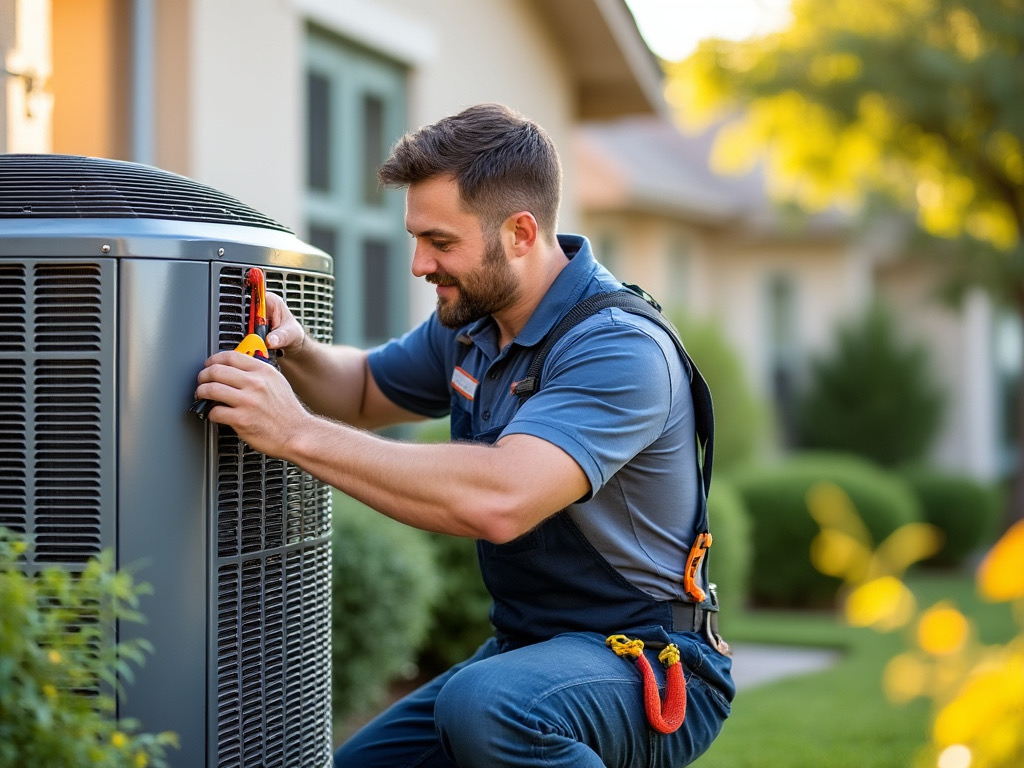
At National HVAC, our Maintenance and Tune-Up service is designed to ensure your heating and cooling systems operate efficiently and reliably all year round. Our experienced technicians conduct comprehensive inspections and meticulous adjustments, targeting key components to prevent breakdowns and enhance performance. During each visit, we clean vital parts, check refrigerant levels, and assess system safety, ensuring your equipment runs at peak efficiency while prolonging its lifespan. With our commitment to quality and customer satisfaction, you can trust National HVAC to keep your indoor climate comfortable and your energy bills in check.
Energy Efficiency and Maintenance
Regular maintenance of HVAC systems is essential for maximizing energy efficiency. When these systems operate at peak performance, they consume less energy while providing optimal heating or cooling. Neglected equipment can lead to inefficient operation, increasing energy consumption and utility bills. Components such as coils, fans, and motors benefit immensely from routine check-ups and cleanings. A well-maintained system can extend its lifespan, reducing the need for costly replacements.
Homeowners play a crucial role in promoting energy efficiency through proactive maintenance. Simple tasks, such as checking and replacing air filters regularly, can significantly impact overall system performance. Additionally, ensuring that vents are unobstructed and that the thermostat is functioning correctly contributes to efficient operation. Scheduling professional inspections at least once a year allows technicians to identify potential issues before they escalate. Emphasizing maintenance not only aids in energy conservation but also enhances the comfort of living spaces.
How Regular Care Affects Energy Costs
Regular maintenance of HVAC systems significantly impacts energy costs over time. Neglecting routine care can lead to inefficiencies, causing the system to work harder to achieve the desired temperature. This extra strain not only increases energy consumption but also accelerates wear and tear on vital components. By scheduling regular tune-ups, homeowners can ensure their systems operate at optimal efficiency, ultimately reducing energy bills.
Furthermore, well-maintained systems can enhance indoor comfort levels. When air filters, ducts, and other system parts are clean and functioning correctly, the HVAC unit does not have to compensate for blockages or malfunctions. As a result, homeowners may notice more consistent temperatures throughout their living spaces. This reliability contributes to a more efficient energy use, translating into cost savings on monthly utility expenses.
DIY Maintenance Tips
Homeowners can significantly enhance the longevity and efficiency of their HVAC systems with some simple maintenance practices. Regularly inspecting and cleaning the outdoor unit helps prevent debris from obstructing airflow. Clearing away leaves, dirt, and other obstructions not only promotes better performance but also minimizes wear and tear on the system. Additionally, checking the thermostat settings ensures optimal operation and comfort levels throughout the home.
Changing air filters is another easy but essential task. Dirty filters restrict airflow, forcing the system to work harder and increasing energy bills. Homeowners should look for filters designed for their specific units and follow manufacturer guidelines for replacement. Some filters require changing every month, while others may last several months. Keeping track of the filter's condition and changing it regularly will help maintain system efficiency and indoor air quality.
Simple Practices for Homeowners
Homeowners can take several simple actions to keep their HVAC systems in good shape. Regularly checking and changing air filters is one of the easiest and most effective practices. A clean filter allows for better airflow and more efficient operation, which can reduce energy consumption. Additionally, inspecting outdoor units for debris and ensuring that the area around them is clear can help maintain optimal performance.
Another important practice involves cleaning the evaporator and condenser coils. Dust and dirt can accumulate on these coils, hindering the system’s efficiency. Homeowners should also check the condensate drain for blockages. Unclogging this drain can prevent water damage and mold growth. By adopting these straightforward maintenance habits, homeowners can enhance system performance and extend the lifespan of their HVAC equipment.
The Role of Air Filters in System Performance
Air filters play a critical role in maintaining the efficiency and longevity of HVAC systems. They trap dust, pollen, pet dander, and other airborne particles, preventing them from circulating through your home. A clean filter ensures optimal airflow, reduces strain on the system, and minimizes energy consumption, which directly impacts energy bills. When filters become clogged, they hinder the system's performance, leading to reduced heating or cooling effectiveness and increased operating costs.
Various types of air filters are available, each designed for specific needs. High-efficiency particulate air (HEPA) filters are known for their superior filtration capabilities, capturing smaller particles that standard filters might miss. Homeowners should regularly check and replace filters according to the manufacturer's guidelines, typically every one to three months. Regular replacements not only improve indoor air quality but also support the HVAC system's overall function, thereby extending its lifespan.
Types of Filters and Replacement Guidelines
The effectiveness of an HVAC system often depends on the type of air filter in use. Common types include fiberglass filters, pleated filters, and HEPA filters. Fiberglass filters offer basic protection but may not capture smaller particles effectively. Pleated filters, on the other hand, provide better filtration due to their larger surface area. HEPA filters excel in trapping airborne allergens, making them suitable for households with allergy sufferers.
Replacing air filters regularly is crucial for maintaining optimal system performance. Generally, filters should be checked monthly and replaced every one to three months, depending on the type and usage. Homes with pets or high dust levels may require more frequent changes. Keeping track of filter replacement helps ensure that the HVAC system runs efficiently, which can lower energy costs and improve indoor air quality.
FAQS
Why is regular maintenance important for energy efficiency?
Regular maintenance helps ensure that your heating and cooling systems operate at peak efficiency, which can lower energy costs and extend the lifespan of the equipment.
How can I tell when it's time for a tune-up?
Signs that it's time for a tune-up include unusual noises from the system, inconsistent temperatures, increased energy bills, or if it has been more than a year since the last maintenance check.
What are some DIY maintenance tips for homeowners?
Homeowners can perform simple tasks such as regularly checking and changing air filters, cleaning vents and registers, and ensuring that the outdoor unit is clear of debris.
What role do air filters play in system performance?
Air filters help remove dust, allergens, and other particles from the air. A clean filter allows for better airflow, which improves system performance and energy efficiency.
How often should air filters be replaced?
Air filters should generally be checked monthly and replaced every 1 to 3 months, depending on the type of filter and the level of usage or allergies in the household.