Ongoing Maintenance Costs
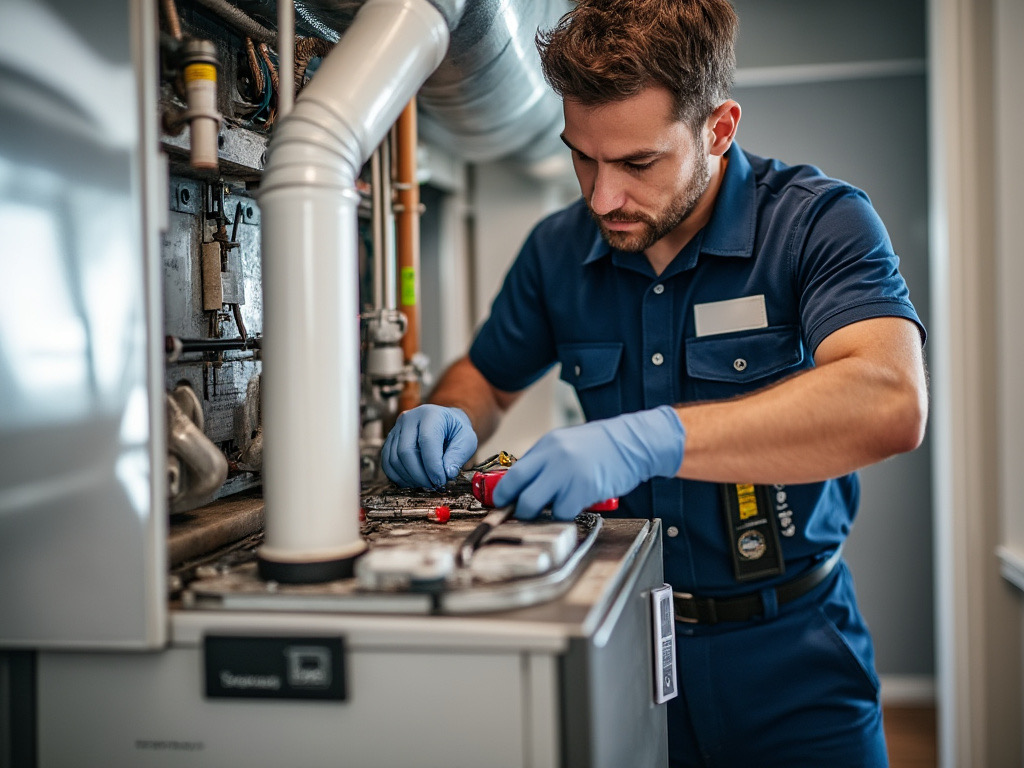
Regular maintenance costs for a heating system can vary depending on the type of system and its age. Homeowners should anticipate expenses related to routine inspections, cleaning, and necessary repairs. These tasks ensure that the system operates efficiently and helps prevent costly breakdowns. It is advisable to budget for annual service visits, which can include filter replacements, system checks, and minor repairs.
In addition to the standard maintenance, unexpected repairs may arise, especially in older systems. Heating System Installation and Repair not only includes the initial setup but also encompasses potential future expenses that might occur due to wear and tear. Being prepared for these costs will help homeowners manage their budgets and ensure that their heating systems function effectively throughout the colder months.
Budgeting for LongTerm Care
When planning for the long-term care of your heating system, it is essential to consider the costs associated with ongoing maintenance. Regular inspections, filter changes, and necessary repairs can prevent larger issues down the line. Keeping a maintenance schedule not only extends the lifespan of your system but also enhances its efficiency, ultimately saving you money over time.
Heating System Installation and Repair should also factor into your budget considerations. While initial installation costs may be significant, budgeting for unexpected repairs or replacements is crucial. This allocation helps avoid potential financial strain when urgent issues arise, ensuring that your heating solution remains reliable throughout its lifespan. Regularly setting aside funds for maintenance and repairs can lead to more sustainable budgeting practices.
Energy Efficiency and Savings
Energy efficiency plays a crucial role in determining long-term savings associated with heating systems. Selecting an energy-efficient model often leads to reduced utility bills, particularly during peak winter months. The initial investment in a higher-efficiency heating system installation can be offset over time through lower energy consumption. Homeowners can lessen their environmental footprint while enjoying enhanced comfort levels in their living spaces.
Heating System Installation and Repair is another factor that impacts total costs. Upgrading to an efficient unit may increase the upfront expenses, but maintenance often requires less frequent service calls. Repairs on older systems can add up, especially if they are not designed to maximize efficiency. Investing in modern systems not only improves performance but can potentially eliminate the need for frequent repair work, leading to financial savings over the lifespan of the unit.
How Efficiency Affects Overall Costs
Energy efficiency plays a critical role in determining the overall costs associated with a heating system. More efficient systems tend to have higher initial installation prices, but their long-term savings can offset these upfront expenses. Homeowners often find that investing in a high-efficiency model can lead to significantly lower energy bills, translating to savings over time. Additionally, systems that use advanced technologies, such as smart thermostats and modulating furnaces, may reduce energy consumption and further enhance efficiency.
When considering Heating System Installation and Repair, it is vital to evaluate the energy efficiency of the options available. Local energy codes and standards may dictate minimum efficiency ratings for heating systems, often incentivizing the purchase of higher-rated models through rebates or tax credits. Choosing an efficient heating system not only helps reduce monthly utility expenses but also diminishes the environmental impact, making it a prudent choice for those looking to be more eco-conscious while managing costs effectively.
Local and Regional Variations
Local and regional variations play a significant role in determining the cost of heating system installation and repair. These costs can fluctuate considerably depending on factors such as local labor rates, the availability of materials, and regional demand for specific systems. For example, urban areas often experience higher costs due to increased labor expenses and logistics associated with transporting equipment. In contrast, rural areas may benefit from lower labor costs, but this can be offset by the limited availability of specialized services.
Additionally, climate influences the types of heating systems that are commonly installed in different regions. Areas with colder climates may see a higher prevalence of robust systems designed to manage extreme temperatures, often leading to increased upfront installation costs. In warmer regions, electric-based heating systems might be more prevalent, which can alter both installation expenses and ongoing maintenance requirements. Therefore, understanding these local and regional differences is crucial when budgeting for a heating system installation and repair.
Impact of Geographic Location on Pricing
Geographic location plays a significant role in determining the costs associated with heating system installation and repair. In metropolitan areas, demand for skilled labor and materials often leads to higher prices. Conversely, rural regions may experience lower costs due to reduced labor and material expenses. Variations in local building codes and climate considerations also contribute to the financial landscape, affecting both the choice of heating systems and their installation fees.
Regional differences in energy sources can further influence pricing. Areas with abundant natural gas tend to have lower heating costs compared to regions reliant on electric heating alternatives. Additionally, incentives for energy-efficient systems may vary by location, impacting the overall expense of installation and encouraging homeowners to invest in upgrades. Understanding these regional dynamics is essential when budgeting for heating system installation and repair.
FAQS
What are the average costs associated with installing a heating system?
The average costs for installing a heating system can vary widely based on the type of system, size of the home, and installation complexity, generally ranging from $2,500 to $7,500.
Are there ongoing maintenance costs for heating systems?
Yes, ongoing maintenance costs can include regular servicing, filter replacements, and potential repairs, which can add up to $100 to $300 annually.
How does energy efficiency affect the overall cost of a heating system?
Higher energy efficiency heating systems may have a higher upfront cost but can lead to significant savings on energy bills over time, making them more cost-effective in the long run.
Do heating system installation costs vary by location?
Yes, installation costs can vary significantly based on geographic location due to factors like local labor rates, availability of materials, and regional climate conditions.
What should I consider when budgeting for a heating system?
When budgeting, consider the initial installation cost, ongoing maintenance expenses, potential energy savings, and any local rebates or incentives that may apply.