Ductwork and Ventilation
Ductwork plays a critical role in the efficiency of any air conditioning system. Properly designed and installed duct systems ensure that cooled air is distributed evenly throughout a space. Inadequate or leaky ducts can lead to temperature fluctuations and increased energy costs. Therefore, it is essential to assess existing ductwork or design a new system that maximizes the airflow and minimizes losses.
Ventilation is equally important during the air conditioning system installation process. It provides fresh air circulation, which is vital for indoor air quality. When installing an air conditioning system, technicians must consider how ventilation interacts with the existing setup. Choices regarding vent placement and duct size will influence the overall comfort level in a home or office. Air Conditioning System Installation and Repair professionals can help to ensure that both ductwork and ventilation are optimized for peak performance.
Importance of Proper Airflow Management
Proper airflow management is crucial for the efficiency and effectiveness of an air conditioning system. When air circulates efficiently throughout the living space, it helps maintain comfortable temperatures and reduces energy consumption. Poor airflow can lead to hotspots, increased energy bills, and a strain on the system, causing premature wear and tear. This is why, during Air Conditioning System Installation and Repair, attention is paid to the design and layout of ductwork, ensuring optimal airflow paths throughout the home.
In addition to enhancing comfort, effective airflow management plays a significant role in improving indoor air quality. Adequate ventilation helps prevent the buildup of allergens, dust, and other pollutants. A well-designed air distribution system can help remove stale air and bring in fresh air as needed. This aspect is often considered during Air Conditioning System Installation and Repair to ensure that the system does not just cool but also purifies the air effectively for a healthier living environment.
Testing and Calibration PostInstallation
After the completion of the air conditioning system installation, testing and calibration are crucial to ensure the unit operates at peak efficiency. Technicians will check for any leaks in the refrigerant lines, measure air quality, and evaluate temperature differentials between the supply and return vents. This comprehensive evaluation helps identify any issues that may affect performance, ensuring that the new system meets manufacturer specifications.
Calibration is equally important, as it entails adjusting the thermostat settings and airflow balances to provide optimal comfort. Proper calibration can prevent energy waste and enhance the overall performance of the air conditioning system. Regular follow-up testing is often recommended as part of ongoing maintenance to keep the system in good working condition and to support the longevity of the air conditioning system installation and repair.
Making Sure Your AC Unit Functions Efficiently
To ensure your air conditioning system operates at peak efficiency, it is crucial to conduct thorough testing and calibration after installation. This involves checking airflow rates, refrigerant levels, and the overall performance of the unit. Proper adjustments should be made to optimize settings, allowing the system to cool effectively without excessive energy consumption. An efficient unit not only enhances comfort but also contributes to lower energy bills and a reduced environmental impact.
Regular maintenance plays a significant role in the long-term efficiency of your air conditioning unit. After the initial installation, schedule routine check-ups and cleanings to prevent dust buildup and mechanical issues. Many problems can be avoided with simple practices like changing filters regularly and ensuring vents are unobstructed. For comprehensive care, consider reliable air conditioning system installation and repair services that offer ongoing support and expert advice for maintaining your unit's performance.
Maintenance Recommendations After Installation
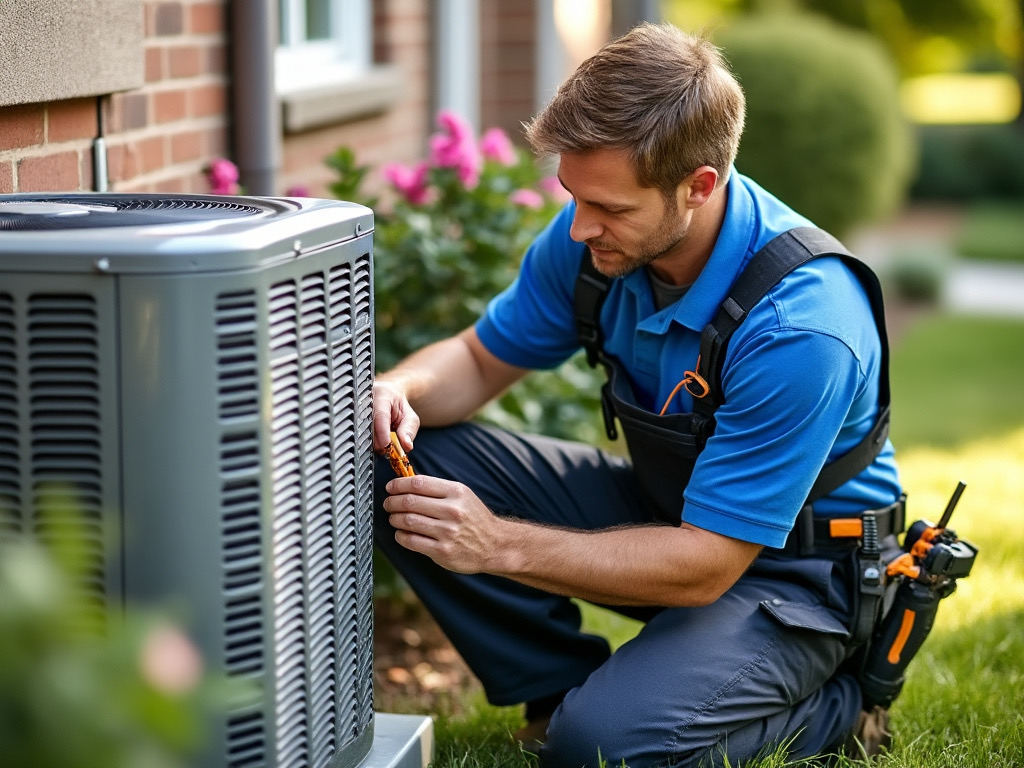
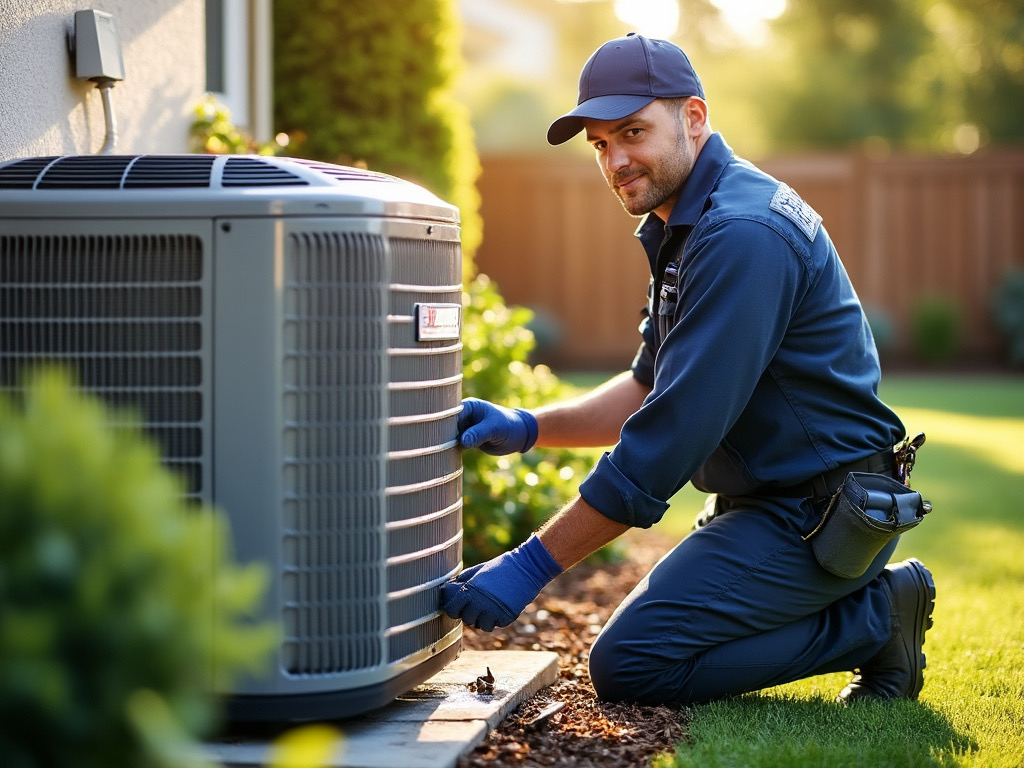
Regular maintenance is essential to ensure your air conditioning system operates efficiently. Schedule routine inspections to check for any wear or damage, which can compromise performance and lead to costly repairs. Cleaning or replacing air filters on a monthly basis helps maintain airflow and indoor air quality. A well-maintained unit can also run more efficiently, ultimately saving you money on energy bills.
In addition to basic upkeep, consider seeking professional assistance for more in-depth maintenance. Technicians specializing in air conditioning system installation and repair can assess refrigerant levels, inspect electrical components, and ensure that your system is properly calibrated. Investing in annual maintenance can prolong the lifespan of your air conditioning system, improve its efficiency, and enhance your overall comfort at home.
Tips for LongLasting Performance
Regular maintenance is essential for the longevity of your air conditioning system. Schedule routine check-ups at least once a year to ensure everything is functioning correctly. A qualified technician can clean key components, check refrigerant levels, and inspect electrical connections. Catching any potential issues early can prevent costly repairs and extend the life of your system.
Proper usage also contributes to long-lasting performance. Set your thermostat to a moderate temperature to reduce stress on the system. Overworking your air conditioning unit can lead to premature wear and tear. Educating yourself on the best practices for your air conditioning system installation and repair will help maintain efficiency and comfort in your home.
FAQS
What are the main components included in AC installation?
AC installation typically includes the unit itself, ductwork, ventilation, refrigerant lines, a thermostat, and a drainage system.
Why is ductwork and ventilation important during AC installation?
Proper ductwork and ventilation are essential for effective airflow management, which ensures that cool air is distributed evenly throughout the space and maximizes the efficiency of the AC unit.
What is involved in testing and calibration after AC installation?
Testing and calibration involve checking the system for proper refrigerant levels, ensuring the thermostat is functioning correctly, and verifying that the airflow meets the manufacturer's specifications, so the unit operates efficiently.
How can I maintain my AC unit after installation for long-lasting performance?
To maintain your AC unit, it is recommended to schedule regular professional inspections, clean or replace filters every 1-3 months, keep the outdoor unit clear of debris, and ensure proper drainage.
How often should I have my AC system serviced after installation?
It is generally advisable to have your AC system serviced at least once a year to ensure it operates efficiently and to identify any potential issues before they become significant problems.